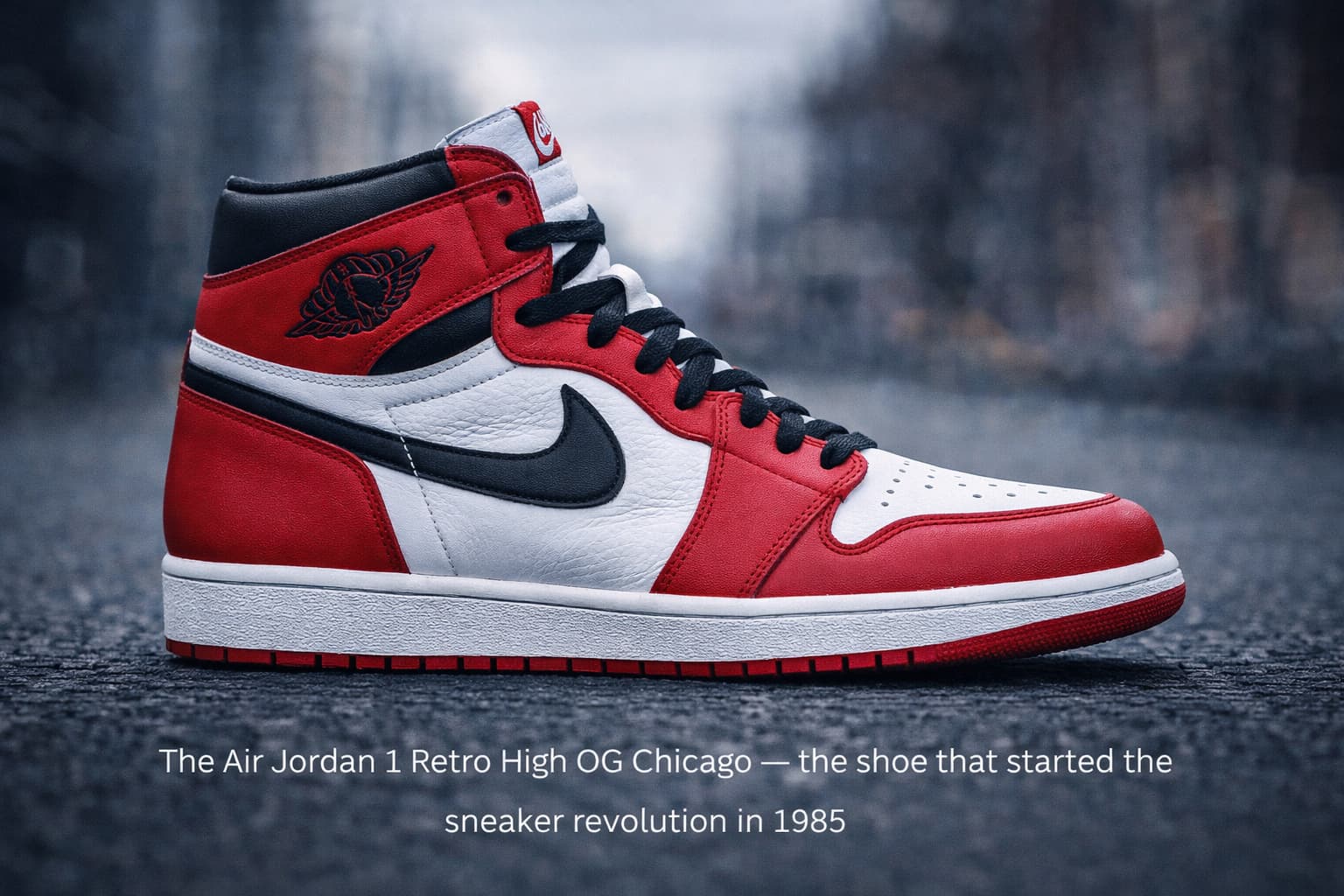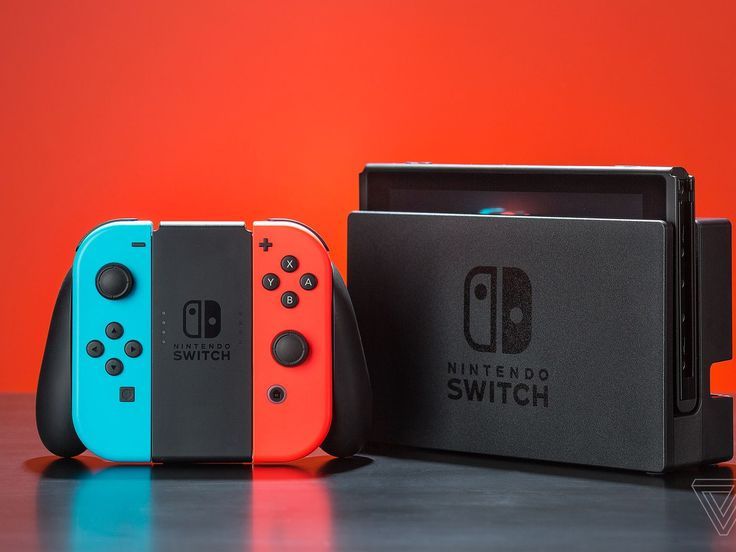

Read, Play, and Win Big
Make sure to read the full article below to get all the details on this challenge. We’ve put together a massive prize pool featuring the newest iPhones, gaming PCs, gift cards, consoles, and premium headsets. Your knowledge is your ticket to win!
The Nike Air Jordan XI “Space Jam” occupies a singular position in sneaker history: it is the only basketball shoe that starred in a blockbuster Hollywood film alongside the greatest basketball player of all time, during the greatest season in NBA history, and emerged from both experiences as a permanent fixture of global popular culture. Designed by Tinker Hatfield, debuted by Michael Jordan during the Chicago Bulls’ legendary 72-10 1995-96 season, and immortalized in the 1996 Warner Bros. film Space Jam, the Jordan XI Space Jam represents the absolute peak of the intersection between athletic performance, cinematic storytelling, and sneaker culture.
This in-depth guide explores every dimension of the Air Jordan XI Space Jam — the revolutionary design decisions that made it unlike any basketball shoe before it, the technical innovations hidden beneath its glossy exterior, the film that elevated it from a great sneaker to a cultural monument, every major retro release, authentication guidance, resale market analysis, and the enduring legacy that keeps it relevant nearly three decades after its debut.
[wp_image_placeholder src=”[URL_DE_TU_IMAGEN_AQUI]” alt=”Nike Air Jordan XI Space Jam black patent leather Concord white side profile” caption=”The Air Jordan XI Space Jam — Tinker Hatfield’s patent-leather masterpiece that bridged the NBA hardwood and the Hollywood silver screen”]
Tinker Hatfield’s Masterpiece: The Design Story of the Air Jordan XI
The Tuxedo Inspiration
Tinker Hatfield’s design process for the Air Jordan XI began with an unexpected source of inspiration: the formal tuxedo. Jordan had expressed a desire for a shoe elegant enough to wear with a suit, and Hatfield took that request literally. He sourced patent leather — a material traditionally reserved for formal dress shoes and evening wear — and applied it to a basketball sneaker for the first time in the sport’s history.
The concept was audacious. Patent leather was considered delicate, inflexible, and entirely unsuitable for the demands of professional basketball. Hatfield’s innovation was to use the patent leather as an overlay — a structural wraparound panel that covered the shoe’s midfoot and heel while leaving the upper toe area in breathable ballistic mesh. This approach captured the visual elegance of patent leather while maintaining the performance characteristics required for NBA-level play.
The Design Philosophy: Elegance Meets Performance
Hatfield has described the Jordan XI as his attempt to create a sneaker that would be equally appropriate on a basketball court, at a formal dinner, and in a movie scene. This was not a retrospective rationalization — the XI was genuinely designed with multi-context wearability as a core principle. The black-and-white “Concord” and the black-and-blue “Space Jam” colorways both achieve this goal: they look as natural with a suit as they do with basketball shorts.
The silhouette’s sleek, low-to-mid profile creates a visual line that elongates the leg — a design principle borrowed from formal footwear. The translucent icy-blue outsole adds a futuristic element that prevents the shoe from looking too conservative, while the “23” hologram at the ankle provides a subtle branding detail that rewards close inspection without overwhelming the overall design.
[wp_image_placeholder src=”[URL_DE_TU_IMAGEN_AQUI]” alt=”Air Jordan XI design details patent leather mesh upper carbon fiber plate translucent sole” caption=”Design details that made the Air Jordan XI revolutionary — patent leather overlays, ballistic mesh, carbon fiber plate, and translucent outsole”]
Patent Leather Revolution: How a Formal Material Changed Basketball Sneakers
Why Patent Leather Was Considered Impossible
Before the Jordan XI, no major athletic brand had successfully used patent leather on a performance basketball shoe. The material’s high-gloss finish was achieved through a coating process that made it less breathable than traditional leather, and its rigid structure raised concerns about flexibility and durability under the stress of lateral basketball movements.
Hatfield addressed these concerns through strategic material placement. The patent leather was applied only to the midfoot and heel areas where rigidity was actually beneficial — providing lateral support during cuts and crossovers. The toe box and forefoot used lightweight Cordura-grade ballistic mesh, ensuring breathability and flexibility where the foot needs it most.
The Aesthetic Impact on Sneaker Design
The patent leather decision fundamentally changed what was aesthetically permissible in athletic footwear. Before the XI, basketball shoes were expected to look sporty, technical, and functional. Hatfield proved that luxury materials could enhance both the performance and visual appeal of an athletic shoe, opening the door for subsequent sneaker designs to incorporate premium materials without apology.
This design philosophy directly influenced later models from Nike and competitors. Adidas, Puma, and Under Armour all eventually incorporated premium, fashion-forward materials into performance basketball shoes — a trend that traces directly back to Hatfield’s patent leather gamble on the Jordan XI.
Space Jam (1996): The Movie That Made the Jordan XI Immortal
The Film’s Plot and Jordan’s On-Screen Role
Released on November 15, 1996, Space Jam was a live-action/animated hybrid film in which Michael Jordan teams up with the Looney Tunes characters (Bugs Bunny, Daffy Duck, Tweety, and others) to play a high-stakes basketball game against a team of aliens called the Monstars. The film’s premise was intentionally absurd — and that absurdity, combined with Jordan’s genuine star power, made it a commercial success, grossing $250 million worldwide.
The Sneaker as a Character
Throughout the film’s climactic basketball game, the camera repeatedly frames Jordan’s feet in the gleaming Space Jam XI. The patent leather catches the light in a way that no matte-finish basketball shoe could, creating visual moments that function almost as sneaker commercials embedded within the narrative. The shoe’s reflective surface made it a natural focal point in shots that used dramatic lighting to heighten the intensity of the game.
Director Joe Pytka and cinematographer Michael Chapman used the shoe’s reflective properties to create what sneaker historians have called “the most effective product integration in sports cinema.” The Jordan XI was not awkwardly inserted into scenes — it was visually integral to the film’s aesthetic, its glossy surface reflecting the animation around Jordan and visually connecting the real and animated worlds.
Cultural Context: 1996 and the Height of Jordan Mania
Space Jam arrived at the absolute peak of Michael Jordan’s cultural influence. He had just led the Bulls to a 72-10 regular season record (the best in NBA history at that time), won his fourth NBA championship, and earned his fourth Finals MVP award — all while wearing the Jordan XI. The film was not selling a fantasy version of Jordan; it was presenting the real Jordan, amplified to cartoon proportions, wearing the real shoes he wore during the most dominant basketball season ever played.
This convergence of on-court dominance and Hollywood spectacle created a feedback loop of cultural reinforcement that no other sneaker has replicated. The Jordan XI was the shoe of the greatest season, worn by the greatest player, in the most commercially successful basketball film ever made. Each element amplified the others, creating a level of cultural saturation that endures to this day.
[wp_image_placeholder src=”[URL_DE_TU_IMAGEN_AQUI]” alt=”Space Jam 1996 movie scene Michael Jordan wearing Air Jordan XI on court with Looney Tunes” caption=”Space Jam (1996) immortalized the Air Jordan XI — Michael Jordan’s every leap alongside Bugs Bunny was framed by the patent-leather masterpiece”]
On-Court Technology: Carbon Fiber, Phylon, and Full-Length Air
The Carbon Fiber Spring Plate
Hidden beneath the Jordan XI’s elegant exterior was genuinely innovative performance technology. The shoe featured a carbon fiber spring plate embedded in the midsole — the first use of carbon fiber in a basketball shoe. This plate provided torsional rigidity (preventing the foot from twisting unnaturally during lateral movements) while adding a subtle energy-return spring effect during push-offs and jumps.
Phylon Midsole with Full-Length Air
The midsole used compression-molded Phylon foam — lighter and more responsive than the EVA foam used in most competitors — with a full-length encapsulated Air unit for cushioning. This combination provided impact protection for the high-impact landings that define basketball while maintaining a low, court-close profile that enhanced Jordan’s legendary footwork.
Translucent Outsole
The Jordan XI introduced the now-iconic translucent outsole — a clear rubber sole that allowed the carbon fiber plate to be visible from below. This was both a design statement (emphasizing the shoe’s technological sophistication) and a practical innovation (the translucent rubber provided excellent grip on indoor court surfaces). The outsole’s herringbone traction pattern remains one of the most effective grip designs in basketball footwear history.
The Concord “23” Hologram
At the ankle, a small translucent tab featured a holographic “23” — Jordan’s iconic number. This detail served no performance function but became one of the most recognizable branding elements in sneaker history. Authentication guides frequently reference the hologram’s quality and positioning as a key indicator of genuine versus counterfeit pairs.
Michael Jordan’s 1995-96 Season: 72-10 in the Space Jams
The Greatest Season in NBA History
The 1995-96 Chicago Bulls finished the regular season with a 72-10 record — the best winning percentage in NBA history at that time (later surpassed by the 2015-16 Warriors’ 73-9 regular season, though the Bulls won the championship that year and the Warriors did not). Jordan averaged 30.4 points per game, won the regular-season MVP, the All-Star Game MVP, and the Finals MVP as the Bulls defeated the Seattle SuperSonics in six games.
Jordan wore the Air Jordan XI throughout this historic campaign. The shoe was not merely associated with greatness by marketing — it was the actual footwear worn during the most dominant sustained performance in professional basketball history. This organic connection between the shoe and on-court excellence gives the Space Jam XI a level of authenticity that purely fashion-driven sneaker releases cannot match.
Every Major Space Jam XI Retro Release: 2000 to 2025
| Release Year | Style Code | Retail Price | Key Details | Current Resale (DS) |
|---|---|---|---|---|
| 2000 | 136046-041 | $125 | First retro release; Jumpman on heel | $500 – $800 |
| 2009 | 378037-041 | $175 | Massive general release; “45” on heel | $300 – $450 |
| 2016 | 378037-003 | $220 | 20th anniversary of Space Jam; “45” on heel; highest-selling Jordan retro | $250 – $400 |
| 2023 | CT8012-011 | $225 | “23” on heel (OG spec); improved patent leather quality | $200 – $300 |
Air Jordan XI Colorways Compared: Space Jam vs Concord vs Bred vs Cool Grey
| Feature | Space Jam | Concord | Bred (Playoff) | Cool Grey |
|---|---|---|---|---|
| Patent Leather Color | Black | Black | Black | Cool Grey |
| Mesh/Upper Color | Black | White | Black / Varsity Red | White / Cool Grey |
| Jumpman/Accent Color | Concord (blue-purple) | Concord (blue-purple) | Varsity Red | Medium Grey |
| Film/Cultural Tie | Space Jam (1996) | Jordan’s 1995-96 season | NBA Playoffs | 2001 retro popularity |
| Collectibility | Very High | Very High | High | Moderate-High |
How to Authenticate Air Jordan XI Space Jam Sneakers
Key Authentication Points
- Patent leather quality: Authentic pairs use high-gloss patent leather with a consistent, mirror-like finish. Fakes often have a dull or uneven sheen with visible imperfections in the coating
- “23” hologram: The ankle hologram should display a clear, sharp “23” that shifts angle when viewed from different positions. Counterfeits frequently produce a static, blurry, or incorrectly colored hologram
- Carbon fiber plate: Visible through the translucent outsole, the carbon fiber plate should display a genuine woven pattern with irregular, organic fiber lines. Fakes often use a printed pattern that looks too uniform and symmetrical
- Jumpman logo: The proportions and positioning of the Jumpman logo should be precise, with the extended arm and leg showing clean lines and proper proportional spacing
- Translucent outsole: Authentic outsoles have a clean, slightly blue-tinted translucency. Over time, they develop a yellow patina due to oxidation — this is normal and actually indicates authenticity on older pairs
- Mesh quality: The ballistic mesh on the upper should feel dense and tightly woven. Low-quality replicas use thinner, softer mesh that does not maintain its structure
Resale Market Analysis and Investment Value
Price Trends Across Releases
The Air Jordan XI Space Jam has maintained strong resale value across every release. The 2016 release — the 20th anniversary of both the film and the 72-10 season — was the highest-volume Jordan retro release in history, with over one million pairs produced. Despite this massive production run, the shoe has appreciated from its $220 retail to $250-$400 in deadstock condition, demonstrating that demand for the Space Jam XI consistently exceeds even very large supply.
Earlier releases command higher premiums due to scarcity. The 2000 retro, now over two decades old, ranges from $500 to $800 for deadstock pairs. Original 1995 pairs in any wearable condition start at $2,000 and can exceed $10,000 for pristine examples with original packaging.
Cultural Legacy: From the NBA Hardwood to the Hollywood Red Carpet
The Shoe That Bridged Sports and Entertainment
The Air Jordan XI Space Jam’s greatest cultural achievement is its role as a bridge between sports and entertainment. Before the XI, basketball shoes were primarily marketed through athletic performance. After the XI, the sneaker industry understood that cinema, music, fashion, and sports were not separate marketing channels — they were a single, interconnected cultural ecosystem.
This insight shaped the entire subsequent trajectory of sneaker marketing. Collaborations between sneaker brands and film franchises, musician endorsements, fashion-week appearances of athletic footwear, and the general blurring of lines between sportswear and luxury fashion — all of these trends can be traced back to the moment when the world’s greatest basketball player wore the world’s most elegant basketball shoe in a Hollywood movie, and nobody thought it was strange.
Space Jam: A New Legacy (2021)
The 2021 sequel Space Jam: A New Legacy, starring LeBron James, attempted to recreate the original film’s sneaker magic with the Nike LeBron 19 “Space Jam.” While the film performed adequately at the box office, neither the movie nor its associated sneaker achieved the cultural impact of the 1996 original. This comparison underscores how unique the convergence of factors was that made the original Space Jam XI special — it was not just good marketing, but a genuine cultural moment that cannot be artificially replicated.
[wp_image_placeholder src=”[URL_DE_TU_IMAGEN_AQUI]” alt=”Air Jordan XI Space Jam collection retro releases from 2000 to 2023 displayed together” caption=”The Air Jordan XI Space Jam retro releases — each generation introduces a new wave of fans to the patent-leather legend”]
Frequently Asked Questions (FAQ)
What is the Air Jordan XI Space Jam?
The Air Jordan XI Space Jam is a specific colorway (black patent leather, black mesh, Concord blue accents, translucent sole) of the Air Jordan XI basketball shoe, designed by Tinker Hatfield and first worn by Michael Jordan during the 1995-96 NBA season and in the 1996 film Space Jam. It is one of the most iconic and commercially successful sneakers ever produced.
How much are Air Jordan XI Space Jams worth in 2025?
Values depend on the release year and condition. The 2023 retro release ranges from $200 to $300 in deadstock condition. The 2016 20th-anniversary release ranges from $250 to $400. The 2009 release ranges from $300 to $450. The 2000 first retro ranges from $500 to $800. Original 1995 pairs start at $2,000 and can exceed $10,000.
What makes the Air Jordan XI design revolutionary?
The Jordan XI was the first basketball shoe to use patent leather, the first to incorporate a carbon fiber spring plate in the midsole, and the first to feature a translucent outsole. Its design bridged formal footwear elegance with athletic performance technology, fundamentally changing what basketball shoes could look and feel like.
Did Michael Jordan actually wear the Jordan XI during the 72-10 season?
Yes. Michael Jordan debuted the Air Jordan XI during the 1995-96 NBA regular season, wearing it throughout the Bulls’ record-setting 72-10 campaign and into the 1996 NBA Playoffs, where the Bulls won the championship. This direct on-court history — during the greatest season in NBA history — is a major factor in the shoe’s enduring cultural significance.
Why does the translucent sole turn yellow?
The translucent outsole yellows due to oxidation — a chemical reaction between the rubber compound and oxygen, accelerated by UV exposure and humidity. This is a natural and unavoidable process. Yellowing can be slowed by storing shoes in sealed containers with silica gel packets away from direct sunlight, but it cannot be completely prevented. Some collectors view moderate yellowing as evidence of authenticity and age.
What is the difference between the “45” and “23” on the heel?
The original 1995 Air Jordan XI featured “23” on the heel — Jordan’s iconic number. When Jordan returned from his first retirement in March 1995, he initially wore number 45 (his minor league baseball number). Some retro releases (2009, 2016) featured “45” on the heel as a nod to this period, while others (2023) returned to the OG “23” specification. Both are authentic design choices referencing different chapters of Jordan’s career.
🎯 How to enter the challenge:
- Sign Up: Drop your name and email in the widget below.
- Beat the Quiz: Answer 5 questions. The higher your score, the better your prize tier (ranging from Starter all the way to Legendary).
- Crucial Final Step (TikTok): You’ll get a unique code once you finish. You must click the button, head over to our TikTok, and drop your code in the comments. If you skip this, your entry won’t count!
👇 Scroll down and start the challenge right now. Good luck!
Play. Answer.
Win Big.
Score high on 5 riddles to unlock your prize tier — from gift cards to iPhones. Every correct answer levels you up.
No purchase necessary · Must be 18+ · One entry per person
Register to Play
Two fields. That’s all we need to get you started.
🔒 Your data is encrypted and never shared.
Evaluating your performance…
Verify on TikTok
Comment your unique verification code on our TikTok post to confirm your entry. Without it, your prize cannot be processed.
⚠️ Your entry status: PENDING VERIFICATION
We review comments daily. Winners are contacted via email within 48 hours.
Already Entered
You’ve already played. Only one entry per person is allowed. Check your email for updates on your prize status.